

Our Approach
The Gap
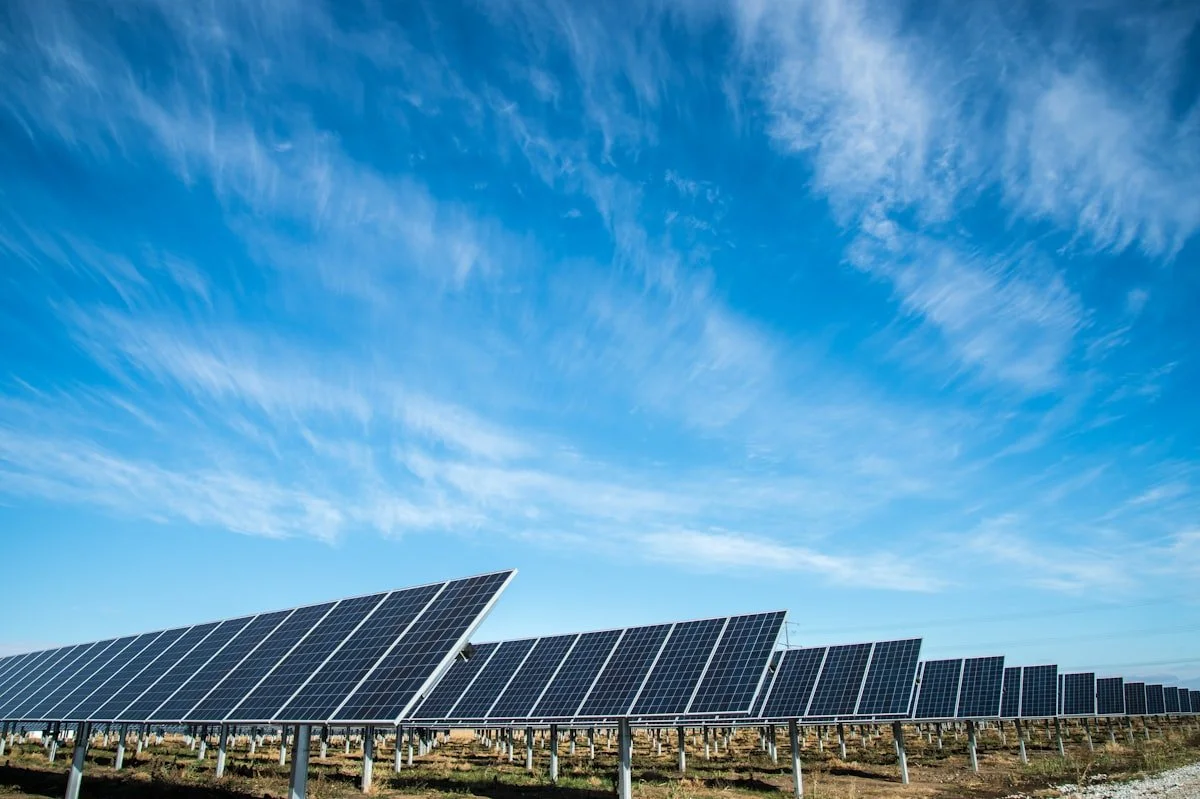
At current prices, alternatives to coal power, such as renewable energy supported by energy storage and other measures, are cost-competitive with coal. Despite this, only about 10% of existing coal power capacity is slated for decommissioning by 2030.
Untapped Potential
At CEB, we believe a far more aggressive transition timeframe is achievable. Our analysis estimates that more than 800 coal power station units in emerging economies are already old enough to consider and plan their transition.
Our Strategy
Research shows that few initiatives to decommission coal power will occur this decade, and many of the transactions that are considered possible only proceed with significant concessional finance or government subsidies (Accelerating the coal-to-clean transition, Institute for Energy Economics and Financial Analysis, June 2024).
CEB aims to change that by utilizing two main levers:
1
Prioritizing assets that can transition between 2027 and 2035, reducing 10 or more years from the expected operating life of coal power plants and preventing the associated CO₂ emissions
2
Bringing these assets to market to raise awareness and acceptance, serving as a model for commercial developers and owners to replicate and further scaling the C2C transition
Our Approach
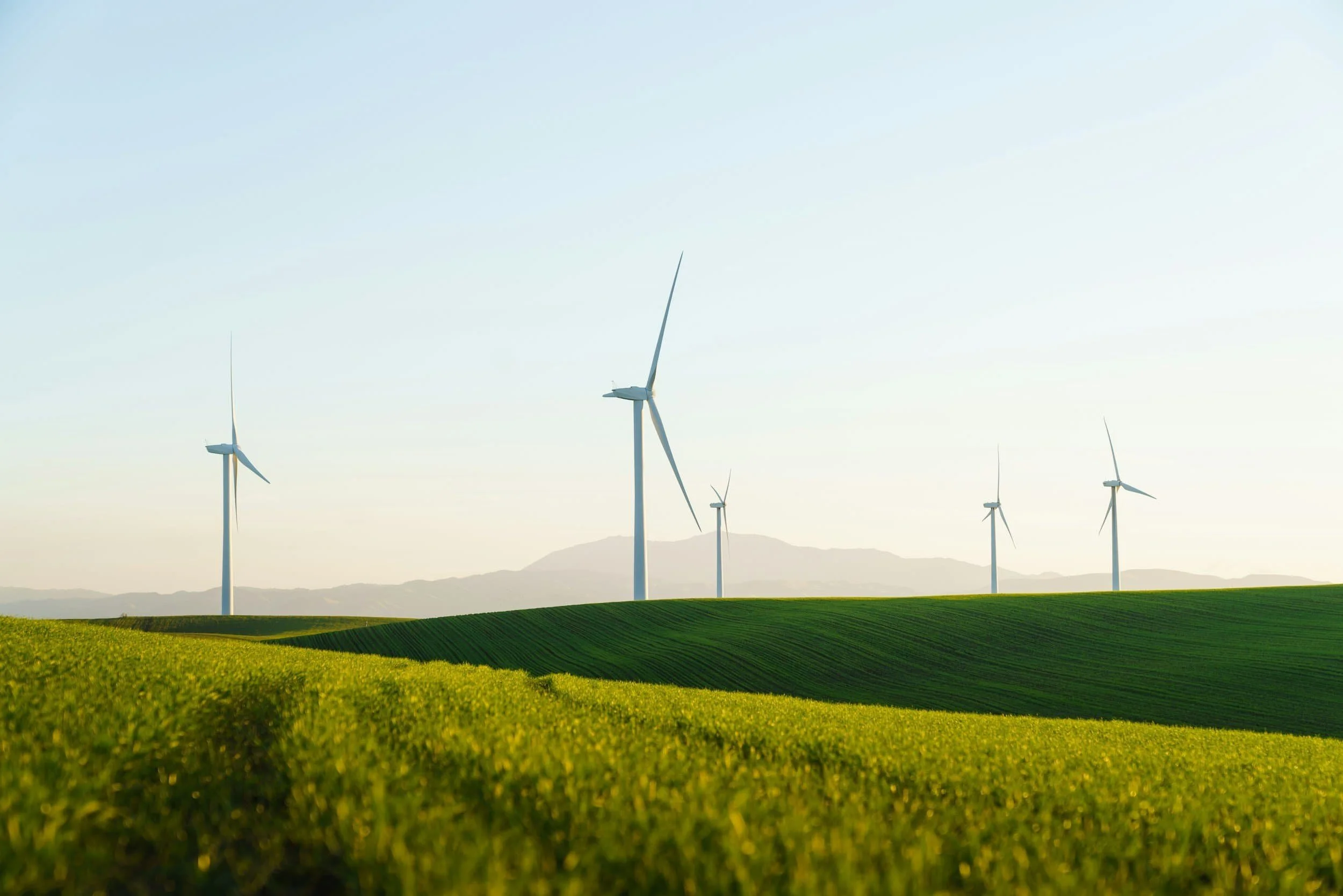
We embrace the principles of a Just Energy Transition while evaluating coal-to-clean projects by asking:
What's the financial case?
Can private investment make this work?
Does clean energy actually cost less than coal when you factor in the full picture: upfront investment, operating costs, maintenance, and returns over time?
By grounding our work in investor economics and true lifecycle costs, we identify transitions that work for both communities and capital markets. This practical, finance-first approach sets us apart.